

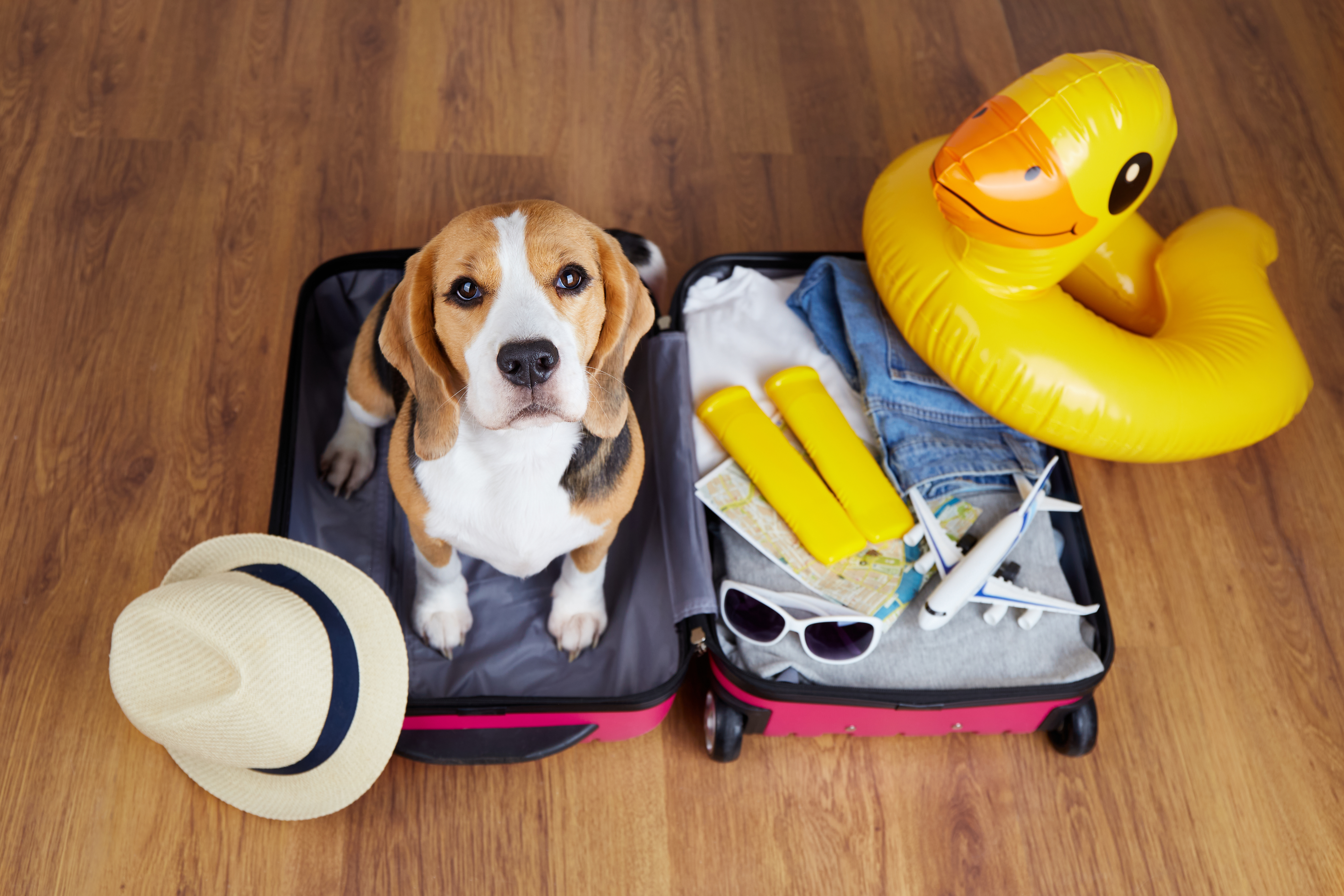
The ultimate dog travel checklist covers four essentials: documents (health certificate, vaccination and microchip records), health and safety prep (vet visit, first-aid kit), comfort and gear (food, water, bedding, secure carrier), and destination planning. Pack early, confirm airline or road rules, and your pup is good to go.
Few things beat hitting the road (or the skies) with your best four-legged friend riding shotgun. And you're not alone in wanting the company! According to the American Pet Products Association, nearly 85% of dog owners factor their pets into travel plans, and 37% say they bring their dog along on every vacation.
But here's the thing: a happy trip starts long before you pull out of the driveway. The right prep keeps your pup safe, calm, and comfy—and saves you from forgotten-leash panic at the worst possible moment.
That's exactly why we put together this dog travel checklist. We'll walk you through everything from the paperwork you need to the gear that makes the journey smoother, plus tips for prepping your destination and tackling air or car travel. Let's get your tail-wagging adventure started!
What Documents Do You Need to Travel With Your Dog?
Paperwork isn't glamorous, but it's the foundation of any stress-free trip. The documents you need depend on where you're headed.
For Domestic Trips
Keep these handy, even for a quick weekend getaway:
- Vaccination records, especially proof of an up-to-date rabies shot
- Microchip documentation linking your dog to your current contact info
- Your vet's contact details, in case of an emergency on the road
- A recent photo of your pup (a lifesaver if they wander off)
For International Travel
Crossing borders means extra hoops, so start early. Many countries require these documents at least 3 to 6 months ahead of travel:
- Pet passport, which records your dog's microchip and rabies details under the Pet Travel Scheme
- Rabies vaccination certificate (some countries require the shot at least 21 days before departure)
- Health certificate, also called a Certificate of Veterinary Inspection, completed by a vet
- Microchip documentation compatible with the destination country
- Import permits, if your destination requires them
- Additional vaccination records for things like distemper, hepatitis, parvovirus, and leptospirosis
- Parasite treatment records for ticks, fleas, and tapeworms
- Airline-specific forms, such as breed verification or acclimation certificates
A quick heads-up: if you're flying into the U.S., the CDC requires all dogs to appear healthy on arrival, be at least six months old, be microchipped, and have a completed dog import form submitted online before travel.
What Health and Safety Steps Should You Take Before a Trip?
A little prep keeps your pup feeling their best from departure to arrival.
Book a Pre-Trip Vet Visit
Schedule a check-up a few weeks out and use the time to:
- Update any vaccinations
- Confirm the microchip is registered and accurate
- Discuss anxiety options (just know that most airlines discourage sedation)
- Pick up that all-important health certificate
Pack a Dog First-Aid Kit
Emergencies don't RSVP, so bring a portable kit stocked with:
- Bandages and antiseptic wipes
- Tweezers (hello, surprise splinters and ticks)
- A digital thermometer
- Any medications your dog takes regularly
- The contact info for a vet near your destination
One small but mighty tip: trim your dog's nails a day or two before you leave. It prevents snags and scratches, especially inside a crate.
What Gear and Comfort Items Does Your Dog Need?
The right gear turns a so-so journey into a smooth one. Here's what belongs in your dog's travel bag.
Food and Hydration Essentials
- Enough of their regular food for the whole trip, plus a few extra days for delays
- Collapsible silicone bowls that fold flat to save space
- A dedicated water bottle, plus a few treats for good behavior
- Stick to dry food, since most airlines don't allow the wet stuff
Keeping your dog's usual diet on the road helps avoid the tummy troubles that can derail a trip fast.
Comfort and Familiar Items
- A blanket or t-shirt that smells like you—familiar scents are seriously calming
- Comfy bedding, especially for senior dogs who need extra cushioning
- A spare leash and collar, since airlines occasionally misplace them
- Poop bags, because nature calls everywhere
- Favorite toys for car rides (skip these for flights, as they can be a choking hazard in the crate)
How Do You Prepare Your Destination for a Dog?
A little homework before you arrive saves you from "No Dogs Allowed" disappointment.
- Book pet-friendly accommodations and double-check their pet policies
- Locate a nearby vet at your destination, just in case
- Use apps like BringFido to scout dog-friendly parks, cafes, and attractions
- Research breed restrictions, since some areas and accommodations have rules
- Map out rest stops along your route if you're driving
What Do You Need to Know About Flying With Your Dog?
Air travel takes a bit more planning than a road trip, thanks to airline rules and tighter spaces. Here's how to fly smart.
Check Airline Pet Policies Before You Book
Every airline plays by its own rules, so do your research before buying tickets:
- Book early, as airlines cap the number of pets per flight
- Know the cabin cutoff—dogs under roughly 20 pounds usually fly in-cabin, while larger breeds go in the cargo hold
- Confirm carrier size requirements and any fees
- Check breed restrictions, since flat-faced (brachycephalic) breeds like Pugs and Bulldogs often face limits due to breathing concerns at altitude
Prepare Your Dog for the Flight
- Start crate training weeks (or months) ahead so the carrier feels like a cozy den, not a cage
- Use an IATA-compliant crate that lets your dog stand, turn, and lie down comfortably
- Label the crate clearly with "Live Animal" and your contact details
- Exercise your pup beforehand to burn off nervous energy
- Feed lightly about 4 hours before departure to prevent nausea (water is fine)
- Freeze a small dish of water for cargo-bound dogs, so it melts slowly and won't spill
- Remove the collar and ID tags before crating, as they can snag on the gate
Pack Smart, Travel Happy
Traveling with your dog is one of life's great joys, and a little prep makes all the difference between a chaotic scramble and a smooth, tail-wagging adventure. From sorting documents to packing comfort items and prepping your destination, this dog travel checklist has you covered every step of the way.
So grab your gear, double-check your list, and get ready to make some unforgettable memories together. And always remember, if plans change and you need to leave your pup at home, Woofie's personalized pet sitting services has you covered!
Frequently Asked Questions About Dog Travel
What documents do I need to travel internationally with my dog?
For international trips, you'll typically need a pet passport, a valid rabies vaccination certificate, a health certificate from your vet, microchip documentation, and possibly import permits and parasite treatment records. Requirements vary by country, so start the process 3 to 6 months in advance.
How long can a dog stay in the car during a road trip?
Most dogs can comfortably handle 2 to 3 hours of driving before needing a break. Plan stops for water, bathroom breaks, and a quick stretch. Younger or more active dogs may need breaks more often, while well-adjusted adults can sometimes go a bit longer.
Can my dog fly in the cabin with me?
It depends on size and airline policy. Dogs under roughly 20 pounds can usually travel in-cabin in an approved carrier, while larger breeds typically fly in the cargo hold. Flat-faced breeds like Pugs and Bulldogs often face flight restrictions, so always check breed-specific rules first.
Should I sedate my dog for travel?
Most airlines discourage sedation, as it can affect breathing and balance at altitude. Instead, talk to your vet about safer calming options like anxiety wraps, pheromone sprays, or specially formulated calming treats.
When should I feed my dog before traveling?
Feed your dog a light meal about 4 hours before departure to reduce the risk of motion sickness or accidents. Water, however, is fine and important for keeping your pup hydrated along the way.