

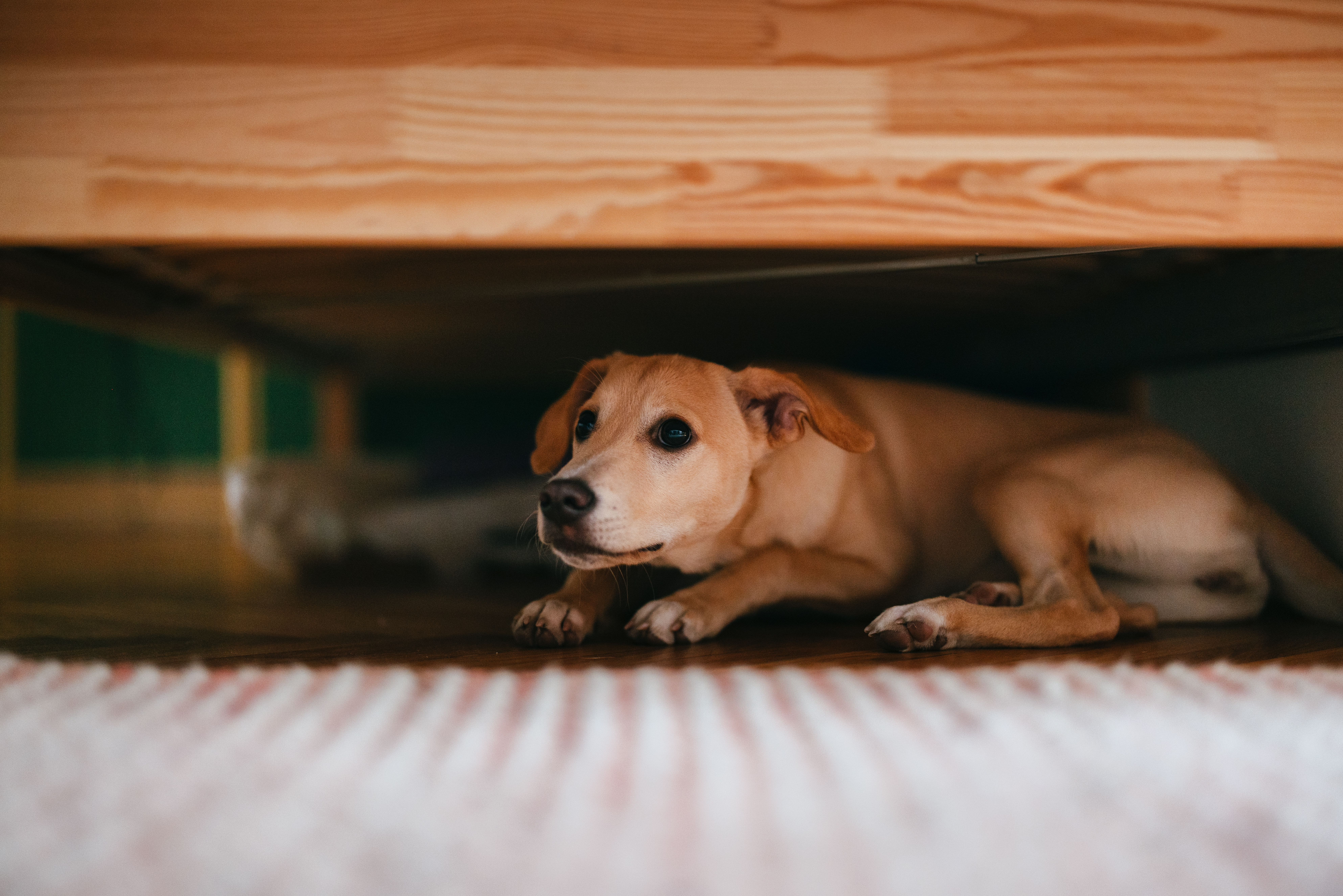
Seeing your dog in distress is heartbreaking. Whether it’s pacing during a thunderstorm, trembling at the vet, or whining when you leave the house, anxiety in dogs is a real and common issue. It affects their quality of life and can be incredibly stressful for you as an owner.
You aren't helpless, though. While anxiety can be complex, there are many practical steps you can take to help your furry friend feel more secure. This guide will walk you through actionable strategies to understand your dog’s triggers and create a calmer, happier environment for them.
1. Identify the Triggers
Before you can fix the problem, you need to know what causes it. Anxiety in dogs isn't always random. It usually stems from specific situations or stimuli.
Start by observing your dog closely. When do the symptoms start?
- Separation Anxiety: Do they panic when you grab your keys or put on your shoes?
- Noise Phobias: Is it thunder, fireworks, or even just a loud truck passing by?
- Social Anxiety: Do they cower around new people or other dogs?
- Changes in Environment: Have you moved recently, or has your schedule changed?
Keep a journal of their behavior for a week. Note the time of day, what was happening around them, and their specific reaction. Recognizing these patterns is the first step toward managing their stress.
2. Create a "Safe Space"
Every dog needs a retreat—a place where they feel completely protected from the world. This is especially crucial during high-stress events like parties or storms.
This safe haven shouldn't be a punishment zone like a crate used for time-outs. Instead, it should be a cozy sanctuary.
- Location matters: Choose a quiet corner of the house, away from high foot traffic and windows. A closet or a covered crate often works well because it feels den-like.
- Make it comfortable: Fill it with their favorite blankets, a worn t-shirt that smells like you, and their most beloved toys.
- Keep it accessible: Ensure your dog can enter and leave this space freely. Knowing they have an escape route can significantly lower stress levels.
When your dog retreats to their safe space, leave them alone. Let them know that when they are in that spot, nobody will bother them.
3. The Power of Exercise and Routine
A tired dog is often a calm dog. Physical activity burns off excess energy that can otherwise fuel anxiety.
If your dog is anxious, try increasing their daily exercise. A long walk, a game of fetch, or a run at the park produces endorphins—natural brain chemicals that improve mood. However, be mindful of where you exercise. If your dog is anxious around other dogs, a crowded dog park might do more harm than good. Stick to quiet trails or your backyard.
Routine is just as important as exercise. Dogs thrive on predictability. Knowing when they will eat, walk, and sleep gives them a sense of control over their world. Try to stick to a consistent schedule every day. Even small changes, like feeding them at the same time, can provide a comforting structure for a nervous pup.
4. Calming Music and Sounds
Sound therapy isn't just for humans. It can be surprisingly effective for dogs, especially those with noise phobias.
Playing calming music can mask scary noises from the outside world. Classical music, in particular, has been shown to reduce stress behaviors in dogs. You can also find playlists specifically designed for pets, often featuring slow tempos and simple arrangements.
Another option is white noise. A fan or a white noise machine can create a constant, soothing background sound that helps drown out sudden bangs or sirens.
5. Pheromones and Calming Aids
Sometimes, environmental changes aren't enough, and you need a little extra help. This is where calming aids come in.
Dog Appeasing Pheromones (DAP) mimic the pheromones a mother dog releases to calm her puppies. These are available as diffusers you plug into the wall, sprays for bedding, or collars your dog can wear. They are odorless to humans but send a powerful signal of safety to dogs.
Pressure Wraps: Products like the Thundershirt work on the principle of deep pressure therapy, similar to swaddling a baby. The gentle, constant pressure can have a dramatic calming effect on some dogs during storms or travel.
Natural Supplements: There are many chews and treats containing ingredients like chamomile, valerian root, or L-theanine. Always consult your vet before adding supplements to your dog's diet to ensure they are safe and appropriate for your pet.
6. Training and Desensitization
Managing anxiety is great, but changing how your dog feels about the trigger is even better. This involves a process called counter-conditioning and desensitization.
The goal is to change your dog’s emotional response from fear to happiness.
- Start small: Expose your dog to a very low-intensity version of their trigger. If they are afraid of thunder, play a recording of thunder at a very low volume.
- Add rewards: While the low-volume sound is playing, give your dog high-value treats or play their favorite game.
- Gradual increase: Over days or weeks, slowly increase the volume. If your dog shows signs of stress, stop and go back to a lower level.
This takes patience. Rushing the process can make the fear worse. The aim is for your dog to eventually hear thunder and think, "Oh boy, treats are coming!" rather than "Run and hide!"
7. Know When to Seek Professional Help
If your dog’s anxiety is severe, leads to self-injury, or aggression, or if your home remedies just aren't working, it is time to call in the pros.
A veterinarian can rule out any underlying medical issues causing pain or discomfort, which often manifest as anxiety. They can also discuss prescription anti-anxiety medication. For many dogs, medication provides the chemical balance needed for training and behavior modification to actually work.
You might also consider working with a Certified Applied Animal Behaviorist (CAAB) or a board-certified veterinary behaviorist. These experts can design a custom behavior modification plan tailored specifically to your dog's needs.
Conclusion
Calming an anxious dog is a journey, not a quick fix. It requires patience, observation, and a lot of love. By creating a safe environment, establishing a solid routine, and using the right tools, you can help your dog navigate their fears. Communicate what works best for your dog to your Woofie's pet sitter, dog walker, and groomer so our team can help provide a seamless transition for your pet while you're away.
Remember, you are their advocate. Every small step you take to understand and manage their anxiety builds trust and helps them live a happier, more relaxed life.
Next Steps:
- Start a trigger journal: Track your dog's anxiety for the next 7 days.
- Establish a safe zone: Set up a cozy retreat in your home this weekend.
- Consult your vet: If anxiety persists, book an appointment to discuss professional options.