

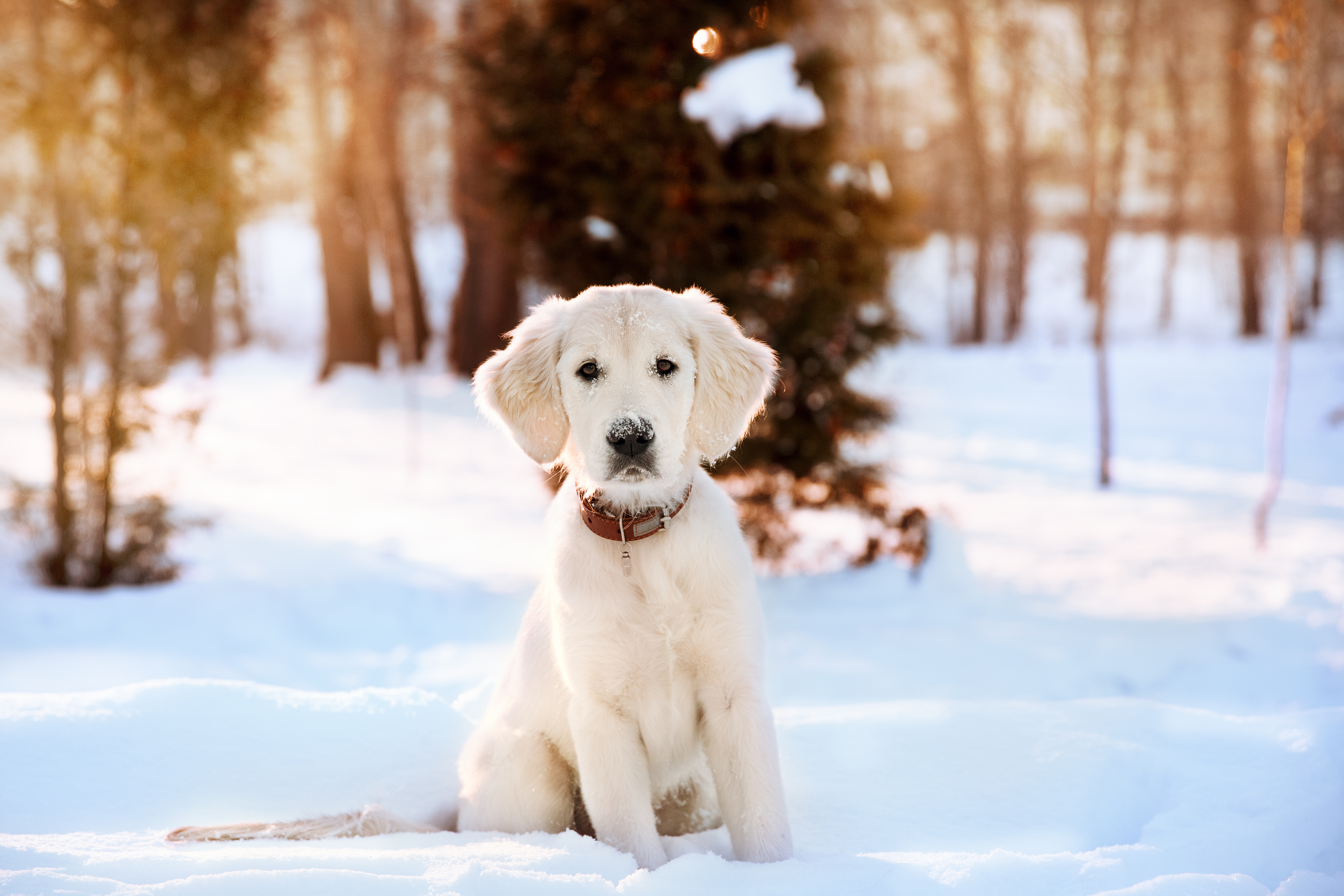
As the temperature drops, we bundle up in coats, hats, and scarves. But what about our furry companions? Figuring out when it's too cold for your dog can be tricky. While some dogs seem built for the snow, others start shivering the moment they step outside. This guide will help you understand your dog's cold tolerance and keep them safe and warm all winter long.
We will explore how different factors like breed, size, and coat type influence how a dog handles the cold. You'll learn to recognize the signs of cold stress and get practical tips for both indoor and outdoor safety during chilly weather.
Understanding Your Dog's Cold Tolerance
There isn't a single temperature that's universally "too cold" for all dogs. A dog's ability to stay warm depends on several key factors.
Breed and Coat Type
A dog's breed is one of the biggest indicators of its cold tolerance. Breeds that originated in cold climates, like Siberian Huskies, Alaskan Malamutes, and Bernese Mountain Dogs, are equipped with thick, double-layered coats. This natural insulation traps air and protects them from frigid temperatures.
On the other hand, breeds with thin, single-layered coats, such as Greyhounds, Chihuahuas, and Whippets, have very little natural protection against the cold. Hairless breeds, like the Chinese Crested, are even more vulnerable.
Size and Body Fat
Smaller dogs have a higher surface-area-to-volume ratio, meaning they lose body heat more quickly than larger dogs. This is why you often see toy breeds like Yorkies and Pugs shivering in conditions that a larger dog might not even notice.
Body fat also acts as a natural insulator. Thinner dogs will get cold faster than dogs with a bit more fat on their bodies. However, this is not an excuse to let your dog become overweight, as the health risks associated with obesity far outweigh any benefit from extra insulation.
Age and Health
Puppies and senior dogs have a harder time regulating their body temperature compared to healthy adult dogs. Their bodies simply aren't as efficient at staying warm.
Likewise, dogs with chronic health issues, such as heart disease, kidney disease, or hormonal imbalances like Cushing's disease, may be more susceptible to the cold. Always consider your dog's overall health when heading out in chilly weather.
A General Temperature Guide for Dogs
While individual factors are crucial, a general temperature guide can be a helpful starting point.
Above 45°F (7°C): Most dogs will be comfortable.
45°F to 32°F (7°C to 0°C): This is where cold-averse breeds may start to feel uncomfortable. Keep an eye on smaller dogs, seniors, and those with thin coats.
32°F to 20°F (0°C to -7°C): Many dogs will feel the cold. Owners of small breeds, thinly-coated dogs, and very young or old dogs should be cautious.
Below 20°F (-7°C): This temperature range is potentially dangerous for most dogs. Limit outdoor time and monitor your pet closely for signs of distress.
Remember to factor in wind chill. A strong, biting wind can make moderately cold temperatures feel much more severe and dangerous for your pet.
Recognizing the Signs of Cold Stress
Your dog can't tell you they're cold, so it's vital to watch their body language. Learning to spot the signs of discomfort can prevent serious health issues like hypothermia and frostbite.
Early Signs of Being Cold
Shivering or trembling
Whining or barking
Anxiety or obvious discomfort
Reluctance to keep walking; trying to turn back home
Lifting paws off the ground
If you notice these signs, it's time to head inside and warm up.
Signs of Hypothermia
Hypothermia occurs when a dog's body temperature drops to dangerous levels. It's a medical emergency that requires immediate attention.
Mild Hypothermia: Strong shivering, weakness, and lack of mental alertness.
Moderate Hypothermia: Shivering may decrease or stop, muscles become stiff, and breathing is shallow and slow.
Severe Hypothermia: The dog may be unconscious, with a faint heartbeat and barely perceptible breathing.
If you suspect your dog has hypothermia, bring them into a warm space immediately. Wrap them in warm blankets (you can warm them in the dryer first) and call your veterinarian for guidance.
Keeping Your Dog Safe and Warm
With a little preparation, you can ensure your dog stays comfortable throughout the colder months.
Indoor Warmth
Even inside, dogs can get chilly, especially those with thin coats or older dogs with arthritis. Ensure their bed is in a warm, draft-free area of the house. Providing extra blankets can give them a cozy place to burrow. Never use human heating pads, as they can cause serious burns.
Outdoor Protection
For many dogs, a winter coat or sweater is essential. A good coat should cover the dog's body from the neck to the base of the tail and protect their belly. It should be snug but not restrictive. For wet conditions, choose a waterproof material.
Booties are another great tool. They protect your dog's paws from ice, snow, and the harsh chemicals used in de-icers and salt, which can cause chemical burns or irritation. Get your dog used to wearing them indoors for short periods before you venture outside.
Adjust Your Routine
On very cold days, shorten your walks. Multiple short trips outside for potty breaks are safer than one long, extended walk. Try to walk during the warmest part of the day, typically in the afternoon when the sun is out.
Your Dog's Comfort is Key
No one knows your dog better than you do. Pay close attention to their behavior and comfort level. While a temperature chart is a useful guideline, your dog's individual response is the most important factor. If you have any questions, you can always reach out to your local Woofie’s pet care team or veterinarian office. By being mindful of your dog’s needs and taking simple precautions, you can both enjoy the winter season safely and happily.