

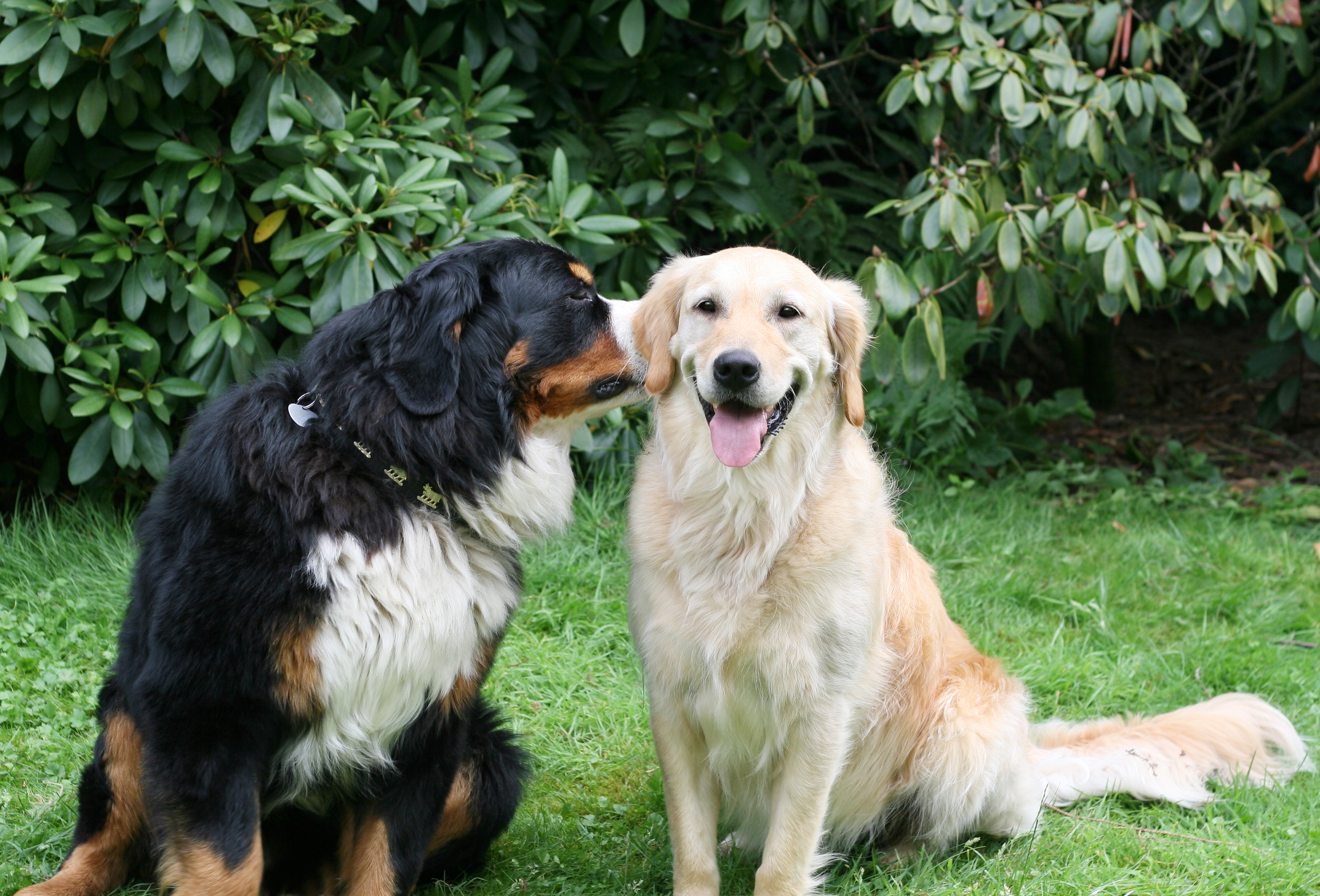
Socializing your dog sets them up for a happy, confident life. Whether you just brought home a tiny puppy, adopted a rescue, or are working with a reactive dog, the goal is the same: helping them feel safe and comfortable in the world around them. Socialization is not just about playing with other dogs. It is about teaching your dog how to handle new sights, sounds, people, and environments without fear.
Every dog requires a unique approach. Here is how you can help your best friend navigate the world, no matter their age or background.
Setting Up Puppies for Success
Puppies are like sponges, soaking up information about their environment. The critical socialization window happens between 3 and 14 weeks of age. During this time, positive experiences shape their future confidence.
- Introduce new environments slowly: Let your puppy experience different surfaces like grass, gravel, and tile. Take them to new places but keep the outings short to prevent overwhelming them.
- Make noise a positive thing: Play sounds of thunderstorms, fireworks, or traffic at a very low volume while feeding them or playing. Gradually increase the volume over a few weeks.
- Focus on safe observation: If your puppy is not fully vaccinated yet, you can still socialize them. Carry them in a dog backpack or hold them on a park bench so they can watch people, bicycles, and other dogs from a safe distance. Give them treats when they remain calm.
Helping Rescue Dogs Overcome Fear
Rescue dogs often come with unknown histories. Some missed out on early socialization, while others might have had negative experiences. Building trust is your main priority.
- Take it at their pace: Never force a rescue dog into a terrifying situation. If they freeze or hide behind your legs when meeting someone new, advocate for them. Ask the person to ignore the dog and toss a treat on the ground instead.
- Create safe zones: When guests come over, give your rescue dog a quiet room or a crate where they can retreat if they feel overwhelmed. Leave the door open so they can join the group when they feel brave enough.
- Pair scary things with high-value treats: If your rescue dog is afraid of men in hats, keep a pouch of real chicken or cheese handy. Whenever a man in a hat appears in the distance, feed your dog a piece of the high-value treat. The moment the person leaves, the treats stop. This helps change their emotional response from fear to anticipation.
Managing Reactive Dogs in Social Settings
Having a reactive dog can feel isolating, but you are not alone. For reactive dogs, socialization rarely means going to dog parks or greeting every dog on the street. Instead, it means teaching your dog to exist calmly around their triggers.
- Find their threshold: Your dog’s threshold is the distance at which they notice a trigger (like another dog) but do not react by barking or lunging. Find this distance and work from there. Distance is your best tool.
- Play the "Look at That" game: When your dog spots a trigger, say "yes" or click a training clicker the moment they look at it, then immediately offer a treat. This teaches your dog that seeing another dog means they get a reward from you, encouraging them to look back at you instead of staring down the trigger.
- Advocate for your dog's space: Do not be afraid to tell other people, "My dog needs space," or "We are in training." Managing their environment prevents them from practicing the reactive behavior, which is a crucial step in helping them feel secure.
Socializing a dog is a lifelong journey. You and your dog are a team, and progress often happens in tiny increments. Celebrate the small victories, stay patient, and enjoy the process of building a stronger bond with your dog.
Professional Pet Care: If you are in need of pet sitting or dog walking while your pet is in socialization training, our team can help ensure your pet's daily routines go uninterrupted while you're away. Be sure to note any triggers and positive reinforcement techniques you've been working on with your pup during the one-on-one consultation. You can also consider a mobile grooming environment for an overly anxious dog or new puppy. Click here to find a Woofie's nearest you.