

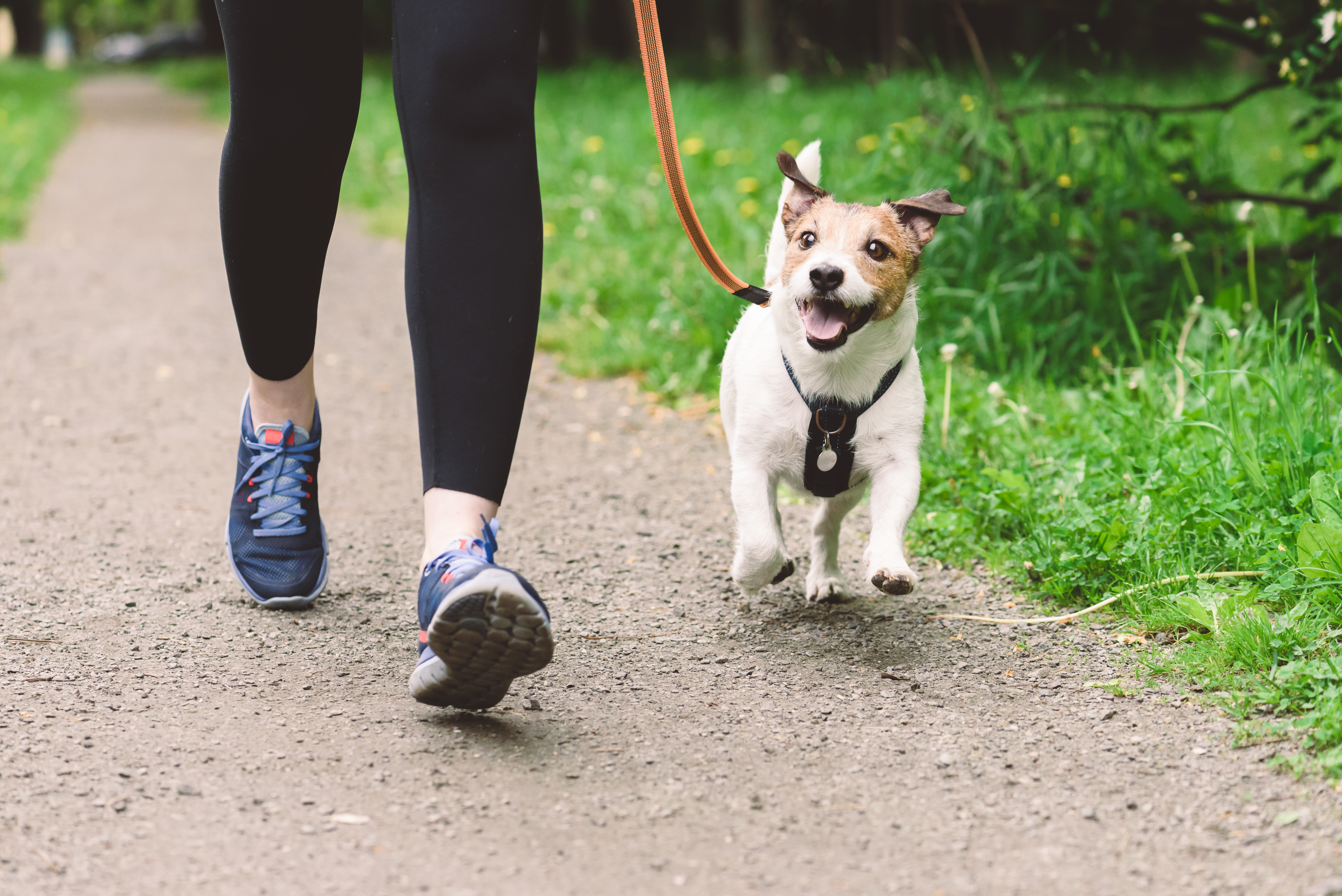
Walking your dog shouldn’t feel like a struggle. Dogs pull because they’re excited, curious, and rarely taught what you want. Pulling gets them places—so it’s self-rewarding! By using the right gear and positive reinforcement, you can help your dog learn that staying close is rewarding, too.
Why Dogs Pull (and Why Loose-Leash Walking Matters)
Pulling is natural: dogs walk faster, love new smells, and often aren’t trained to walk near you. If pulling works, they’ll repeat it. Teaching loose-leash walking helps by creating clearer, safer, and more relaxed outings for you both—less strain for you, less frustration for your dog, and more fun together.
What You’ll Need
- Front-clip or Y-shaped harness: Gentle control, no choking.
- 6-foot leash: Manages space without tangling.
- High-value treats: Tiny, tasty, and quick to reward.
- Treat pouch: For easy access.
- Optional clicker or marker word: "Yes!" or a click marks correct moments.
Step-by-Step Loose-Leash Training
1. Teach Your Dog the “Reward Zone” Indoors
Start in a quiet room. Stand still. When your dog comes to your side, mark (“yes!” or click) and reward by your leg. Take one or two steps. If your dog follows, mark and reward again. Don’t lure—reward after your dog chooses position!
2. Add a Cue
Once your dog is near your side, add a cue like “let’s go.” Say it, walk a few steps, reward for position. Repeat in short, fun sessions.
3. Practice with the Leash (Still Indoors)
Attach the leash. Walk slowly. If the leash tightens, stop. When your dog returns, mark and reward. Teach: tight leash pauses the walk, loose leash keeps it going.
4. Change Directions
Walk and calmly change direction. Reward your dog for catching up. This keeps your dog’s attention and makes following worthwhile.
5. Move Outside (Low Distraction)
Practice briefly in your yard or a quiet sidewalk. Reward for check-ins and slack leash. Allow sniff breaks—use “go sniff” as a reward for good walking.
6. Use Real-Life Rewards
Treats are great, but so is forward movement! If your dog wants to sniff or greet someone, ask for a loose leash first, then let them go as a reward.
7. Slowly Add Distractions
Don’t go straight to busy parks. Gradually practice in slightly harder settings only if your dog can focus and eat treats. If not, back up to a quieter space.
8. Keep Sessions Short
Aim for 5–10 minutes at a time, 1–2 times a day. Consistency is key!
Troubleshooting Common Challenges
- Pulling toward distractions: Increase distance until your dog can pay attention, then reward check-ins.
- Getting too excited to take treats: Try better treats or train in calmer spots.
- Rushing after sniffing: Plan for sniff breaks.
- Big, strong dog? Use safe gear, reward often, and get professional help if needed.
Quick Tips for Success
- Reward early, before pulling happens.
- Train below your dog’s limit.
- Be consistent; don’t sometimes allow pulling.
- Build up gradually.
Conclusion
Leash training takes patience, but positive, consistent steps help you and your dog enjoy walks together. Start small, reward often, and celebrate progress—one step at a time. Want more tips? Click here for more tips on how to train your dog for better walks.