

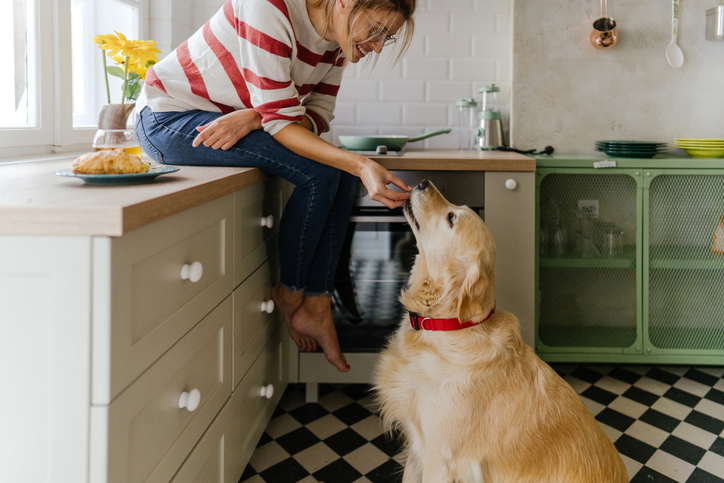
Few things feel more natural than sharing a bite of your dinner with a dog staring up at you. But a dog's digestive system handles food very differently than ours, and some everyday human foods that seem harmless can range from mildly upsetting to life-threatening. Here's a clear breakdown of what's safe, what's dangerous, and what to do if your dog eats something they shouldn't.
Foods That Are Safe for Dogs (In Moderation)
These foods are generally fine for most dogs when given plain, in small amounts, and without added seasoning, salt, or sauces.
Fruits
- Apples (seeds and core removed)
- Bananas
- Blueberries
- Strawberries
- Watermelon (seeds and rind removed)
- Cantaloupe
- Pears (seeds removed)
Vegetables
- Carrots
- Green beans
- Cucumber
- Broccoli (small amounts — can cause gas in larger quantities)
- Sweet potato (cooked, plain)
- Pumpkin (plain, canned pumpkin — not pie filling)
- Peas
Proteins
- Cooked chicken (no bones, no skin, unseasoned)
- Cooked turkey (no bones, no skin, unseasoned)
- Plain cooked eggs
- Plain cooked fish like salmon (boneless, unseasoned)
Grains & Other
- Plain cooked rice
- Plain oatmeal
- Plain popcorn (unsalted, unbuttered, no kernels)
- Peanut butter (only if it does not contain xylitol — see below)
- Plain yogurt (in small amounts, if your dog isn't lactose sensitive)
Even "safe" foods should only make up a small portion of a dog's diet — most vets recommend treats and extras stay under about 10% of daily caloric intake, with the rest coming from a complete, balanced dog food.
Foods That Are Dangerous or Toxic for Dogs
These foods should never be given to dogs, even in small amounts. Some cause mild stomach upset; others can be fatal.
- Chocolate: Contains theobromine and caffeine, which dogs can't metabolize well. Darker chocolate is more toxic. Can cause vomiting, seizures, and heart problems.
- Grapes & Raisins: Can cause sudden kidney failure, even in small amounts. The exact toxic mechanism isn't fully understood, so there's no "safe" quantity.
- Onions, Garlic, Chives, Leeks: Damage red blood cells and can cause anemia. Toxic in raw, cooked, or powdered form.
- Xylitol (found in sugar-free gum, candy, some peanut butter, and baked goods): Causes a rapid, dangerous drop in blood sugar and can lead to liver failure.
- Alcohol: Even small amounts can cause vomiting, breathing difficulty, tremors, and coma.
- Caffeine (coffee, tea, energy drinks): Similar effects to chocolate toxicity — restlessness, rapid heart rate, seizures.
- Macadamia Nuts: Can cause weakness, vomiting, tremors, and elevated body temperature.
- Avocado: Contains persin, which can cause vomiting and diarrhea in dogs (less toxic than in birds, but still best avoided).
- Cooked Bones: Can splinter and cause choking, or puncture the digestive tract.
- Raw Bread Dough: Rises in the stomach and can produce alcohol as it ferments, leading to bloating and alcohol poisoning.
- Fatty or Fried Foods: Can trigger pancreatitis, a painful and potentially serious inflammation of the pancreas.
- Salty Snacks: Excessive salt can lead to sodium poisoning, causing symptoms similar to xylitol toxicity.
- Dairy (large amounts): Many dogs are lactose intolerant; can cause digestive upset, gas, and diarrhea.
Foods That Are Situational or Often Misunderstood
- Peanut butter: Safe in moderation, but always check the label — some brands now use xylitol as a sweetener, which is toxic to dogs.
- Tomatoes: Ripe tomato flesh is generally fine in small amounts; the green parts of the plant (stems, leaves, unripe tomatoes) contain solanine and should be avoided.
- Cheese: Small amounts of low-fat cheese are usually fine as an occasional treat, but not a good regular snack due to fat and lactose content.
- Cinnamon: Not toxic, but can irritate the mouth and digestive tract in larger amounts.
- Nutmeg: Contains myristicin, which can cause hallucinations, high blood pressure, and seizures in larger doses — best avoided.
Signs Your Dog May Have Eaten Something Toxic
Watch for:
- Vomiting or diarrhea
- Lethargy or weakness
- Excessive drooling
- Tremors or seizures
- Rapid or irregular heartbeat
- Loss of coordination
- Pale gums
What to Do If Your Dog Eats Something Dangerous
- Stay calm, but act quickly. Time matters with many toxins.
- Note what and how much was eaten, and when — this information helps a vet or poison control assess the risk.
- Do not induce vomiting unless a vet or animal poison control specifically instructs you to. Some substances cause more damage coming back up.
- Call your vet, an emergency animal hospital, or an animal poison control hotline immediately. In the U.S., the ASPCA Animal Poison Control Center (888-426-4435) and the Pet Poison Helpline (855-764-7661) are both staffed 24/7 (fees may apply).
- Bring packaging or a sample of what your dog ate to the vet if possible — it helps with identifying the exact substance and dose.
General Feeding Tips
- Introduce new foods slowly and in small amounts to watch for allergic reactions or digestive upset.
- Avoid seasoning, salt, sugar, and sauces — many toxic ingredients (garlic, onion, xylitol) hide in prepared foods and sauces.
- Keep counters and trash secured, especially around holidays when chocolate, alcohol, and fatty foods are more accessible.
- When in doubt, leave it out. If you're not sure whether a food is safe, it's not worth the risk — check with your vet first.
The Bottom Line
Many human foods are perfectly fine for dogs in small, plain portions, but a surprising number of everyday kitchen staples — grapes, onions, xylitol, chocolate — can be genuinely dangerous. Knowing the difference, keeping tempting foods out of reach, and having emergency numbers on hand can make all the difference if your dog ever gets into something they shouldn't. When in doubt, your veterinarian is always the best resource for questions specific to your dog's health, age, and breed.