

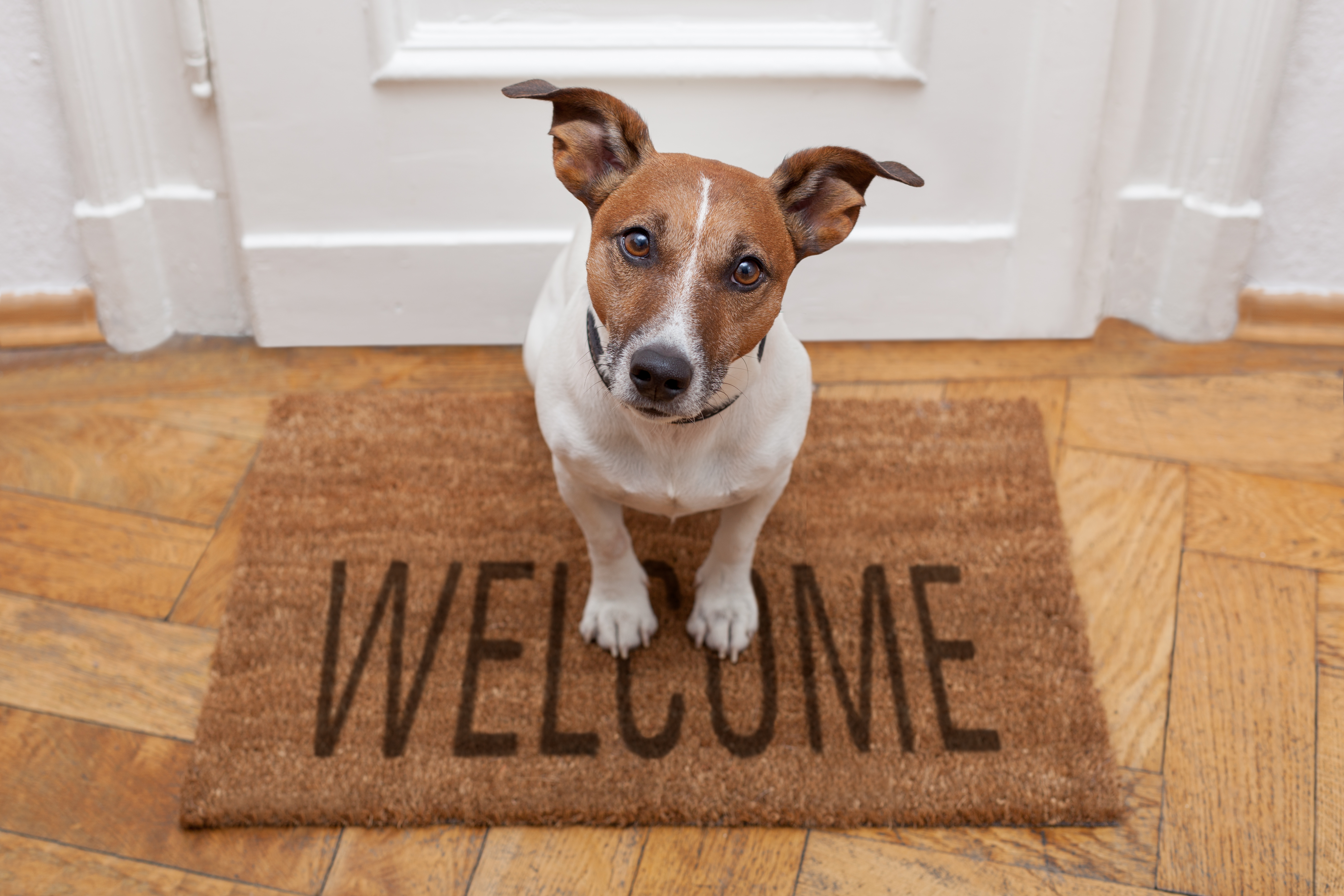
Tips for a Polite Pup
A wagging tail, a happy bark, and a full-body launch straight at your guest. It’s a familiar scene for many dog owners. While your dog’s jumping is often a sign of pure excitement and affection, it can be problematic.
It can intimidate visitors, pose a risk to children or the elderly, and simply be a frustrating habit to manage. Understanding this behavior is the first step toward creating a more polite pup.
This post will guide you through why your dog jumps and provide practical, positive methods to redirect this instinct. We will explore how to teach alternative behaviors, manage your dog’s environment, and use reinforcement to achieve lasting results. With a little patience and consistency, you can teach your dog to greet people politely, paws on the floor.
Why Do Dogs Jump on People?
Jumping is a natural form of communication for dogs. It’s not a sign of dominance or malice but rather a behavior rooted in instinct and learned responses.
A Learned Behavior for Attention
From the moment they are born, puppies learn to jump up to reach their mother for milk and attention. As they grow, they continue this behavior with humans. When a dog jumps on you and you respond—whether by pushing them down, yelling, or even patting them—you are giving them attention.
To a dog craving interaction, any form of engagement can reinforce the jumping. They quickly learn that jumping is an effective way to get you to notice them.
An Energetic Greeting
Dogs often jump as an enthusiastic way to say hello. They want to get closer to our faces to greet us the way they would another dog. This high-energy greeting is their way of showing happiness and excitement, especially when you’ve just returned home. While the intention is sweet, the action can be overwhelming for the person on the receiving end.
The Importance of Training "Four on the Floor"
Addressing jumping is not about punishing your dog; it's about ensuring safety and good manners. A large dog can easily knock over a small child or an older adult, potentially causing injury. Even a small dog can scratch, trip, or simply make guests uncomfortable.
Teaching your dog to keep all four paws on the ground when greeting people helps them become a well-behaved companion that you can confidently include in all aspects of your life. It strengthens your bond and makes social interactions more pleasant for everyone involved.
Practical Steps to Stop the Jumping
Training your dog not to jump requires a combination of management, positive reinforcement, and teaching new skills. The goal is to make the polite behavior more rewarding than the jumping.
1. Teach an Alternative Behavior
Instead of just telling your dog "no," give them something else to do. A dog that is sitting or lying down cannot jump. "Sit" is an excellent alternative greeting behavior.
How to Teach "Sit" for Greetings:
- Start without distractions: Practice the "sit" command in a quiet room. Reward your dog with a high-value treat (like small pieces of chicken or cheese) the moment their bottom touches the floor.
- Add a guest: Ask a friend or family member to help. Have your dog on a leash. As your helper approaches, ask your dog to "sit."
- Reward success: If your dog sits as the person approaches, have the person give your dog a treat and gentle praise. If your dog gets up to jump, the person should immediately turn and walk away.
- Repeat: This teaches your dog that sitting brings rewards (attention and treats), while jumping makes the fun person go away.
2. Manage the Environment to Prevent Practice
Every time your dog successfully jumps on someone, the behavior is reinforced. The key is to prevent them from practicing it in the first place.
Management Strategies:
- Use a leash: When guests come over, keep your dog on a leash. This gives you control and allows you to prevent a jump before it happens. You can step on the leash to keep your dog from lifting off the ground.
- Set up baby gates: Use gates to create a separate space for your dog when guests arrive. You can let your dog out to greet them once the initial excitement has passed and your dog is calm.
- Train with a "place" command: Teach your dog to go to a specific spot, like their bed or a mat, and stay there when the doorbell rings. Reward them for remaining in their "place" as guests enter.
3. The Power of Ignoring the Jump
As mentioned, dogs jump for attention. One of the most effective ways to discourage this is to remove the reward.
How to Effectively Ignore Jumping:
- Turn your back: The moment your dog’s paws leave the floor, turn your back to them. Avoid eye contact and do not speak.
- Cross your arms: This prevents you from accidentally patting or pushing your dog.
- Wait for four paws on the floor: As soon as your dog places all four paws back on the ground, turn around and give them calm praise. If they jump again, repeat the process.
- Get everyone on board: This technique only works if everyone in the household and all guests follow the same rule. Consistency is crucial. Explain to visitors before they enter what they should do if your dog jumps.
4. Positive Reinforcement is Key
Focus on rewarding the behavior you want to see. Your dog is more likely to repeat an action that results in something good.
Rewarding Calm Greetings:
- Keep treats handy: Have small, tasty treats ready by the door. When you come home or a guest arrives, be prepared to reward your dog for keeping their paws on the floor.
- Praise the positive: When your dog approaches someone without jumping, offer calm praise like "Good job" or "Yes!" paired with a treat or a gentle pat.
- Capture calmness: Any time you see your dog being calm and relaxed, reward them. This teaches them that being settled is a valued behavior.
Patience and Consistency Win the Day
Training your dog to stop jumping on people is a process that requires patience, consistency, and a positive approach. Remember that you are working to change a natural instinct and a learned habit, which takes time. There will be good days and days where it feels like you’ve taken a step backward.
Stay consistent with your chosen methods. Ensure every family member and visitor understands the training plan and follows through and be sure to communicate with your Woofie’s pet care professional. Celebrate small victories and focus on reinforcing the calm, polite behavior you want to see. With your guidance, your energetic dog can learn to become a well-mannered companion who knows that the best greetings happen with four paws firmly on the floor.