

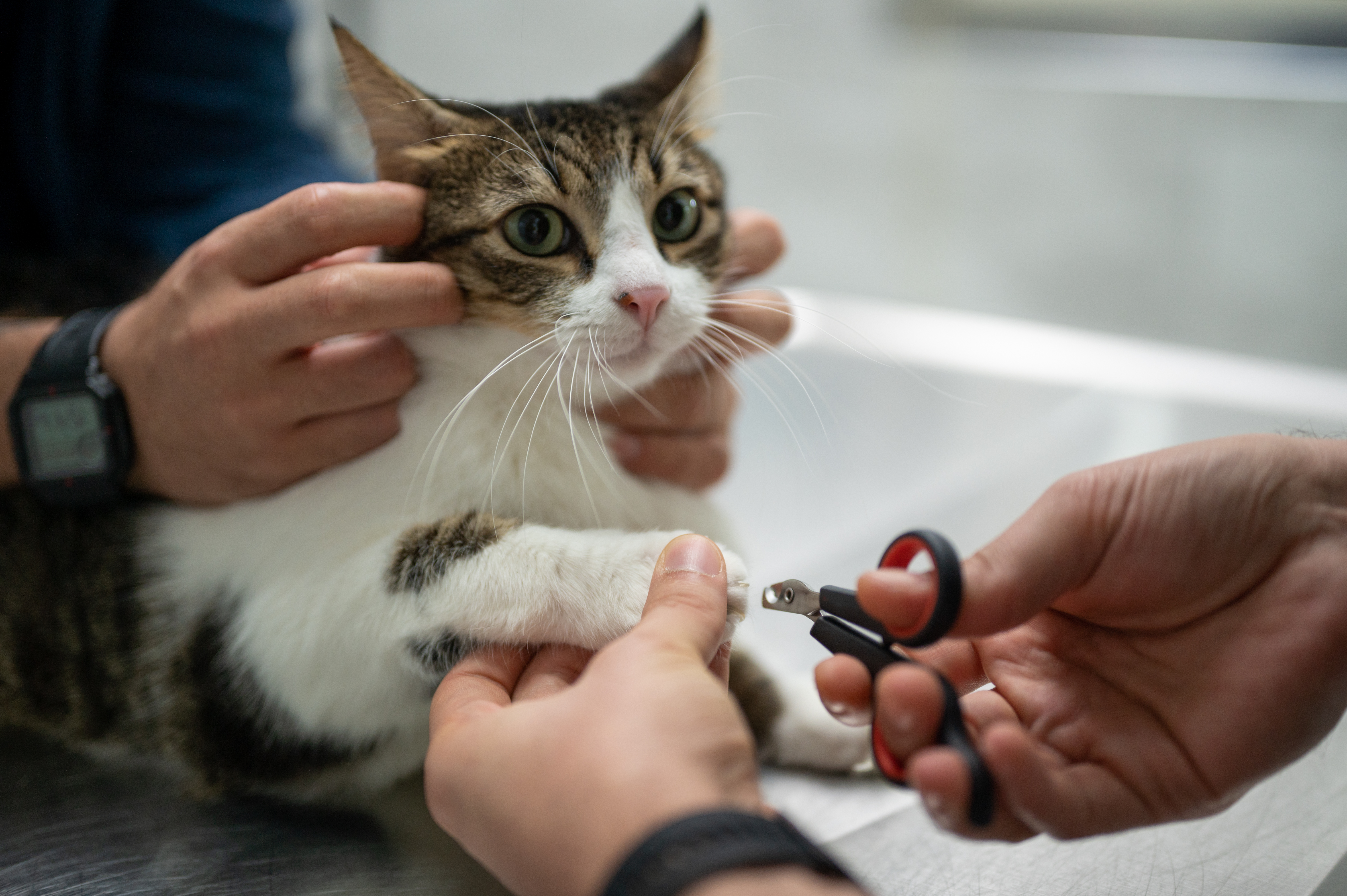
Trimming your cat's nails can feel like a daunting task. For many pet owners, the mere thought of sharp clippers near their furry friend's sensitive paws is enough to cause anxiety. However, regular nail trims are essential for your cat's health, comfort, and well-being. Overgrown nails can curve and grow into the paw pads, causing pain, infection, and difficulty walking. They can also get snagged on carpets and furniture, leading to injury.
This guide provides practical, step-by-step instructions to turn nail trimming from a stressful ordeal into a manageable routine. We will walk you through everything from choosing the right tools to creating a calm environment. You'll learn how to handle your cat with confidence and trim their nails safely, making the experience better for both of you.
Why Regular Nail Trimming is Important
Keeping your cat’s nails at a healthy length is about more than just protecting your furniture. It's a key part of their basic care.
- Prevents Pain and Discomfort: Long nails can force a cat to walk unnaturally on the sides of their paws, which can lead to joint pain and even arthritis over time.
- Avoids Ingrown Nails: Nails that grow too long can curl back and puncture the paw pad. This is extremely painful and can lead to serious infections that require veterinary care.
- Reduces Risk of Injury: Long, sharp nails are more likely to get caught on blankets, rugs, or scratching posts. This can result in a torn or broken nail, which is a painful and often bloody injury.
- Protects Your Home and Family: Well-trimmed nails are less destructive to furniture, curtains, and carpets. They also make accidental scratches on human skin less severe.
Gathering Your Nail Trimming Toolkit
Having the right equipment on hand makes the process smoother and safer. Before you begin, gather the following items.
Choose the Right Clippers
There are a few different styles of clippers designed specifically for cats. Avoid using human nail clippers, as they can crush the nail instead of making a clean cut.
- Scissor-Style Clippers: These look like small scissors with a notch in the blade to hold the nail. They are a popular choice and offer good control for precise trimming.
- Guillotine-Style Clippers: With this type, you place the nail through a small hole, and a blade slides across to cut it. They are effective but require the blade to be sharp to avoid crushing the nail.
- Nail Grinders: These battery-operated tools file down the nail instead of cutting it. They are a good option for cats who are terrified of clippers, but the noise and vibration can take some getting used to.
Other Essential Supplies
- Styptic Powder or Cornstarch: This is a crucial safety item. If you accidentally cut the quick (the pink part of the nail with blood vessels and nerves), applying styptic powder will quickly stop the bleeding. Cornstarch can work in a pinch.
- High-Value Treats: Keep your cat’s favorite treats nearby to reward them for their cooperation. This helps build a positive association with nail trimming.
- A Towel: A soft, thick towel can be used to gently wrap or "burrito" your cat if they are particularly wiggly or anxious. This can help them feel more secure and limit their ability to struggle.
A Step-by-Step Guide to Trimming Your Cat’s Nails
The key to success is patience and a calm approach. Start slow, and don’t expect to trim all the nails in one sitting, especially during your first few attempts.
Step 1: Create a Calm Environment
Choose a quiet room where you won't be interrupted. Sit on the floor or in a comfortable chair where your cat feels secure. Start when your cat is relaxed or even a little sleepy, such as after a meal or a nap. Avoid trying to trim their nails when they are playful or agitated.
Step 2: Get Your Cat Comfortable with Paw Handling
Many cats are sensitive about their paws. Before you even introduce the clippers, spend a few days simply getting your cat used to you touching their paws. Gently massage their legs and paws while praising them and offering treats. Press lightly on their paw pads to extend a nail. Reward them for allowing you to do this without pulling away.
Step 3: Introduce the Clippers
Let your cat investigate the clippers. Place them on the floor and let your cat sniff them. You can place a treat on the clippers to create a positive association. Let your cat hear the sound of the clippers by snipping a piece of uncooked spaghetti. This mimics the sound and feel of a nail trim without the pressure. Reward your cat for their calm curiosity.
Step 4: Position Your Cat for Success
Hold your cat securely but gently in your lap. Some people find it easier to have the cat facing away from them. If your cat is anxious, you can try the "towel burrito" method. Wrap them snugly in a towel, leaving one paw exposed for trimming.
Step 5: Trim the Nail
Take one of your cat’s paws in your hand and gently press on the pad to extend a single claw. Identify the quick—the pinkish area inside the nail. Only trim the white, sharp tip of the nail. It is crucial to avoid the quick, as cutting it is painful and will cause bleeding.
Position the clippers to cut from top to bottom, not side to side, to prevent the nail from splitting. Make a quick, decisive snip. Immediately praise your cat and offer a treat, even if you only managed to trim one nail.
Overcoming Common Challenges
- If Your Cat Resists: Don't force it. If your cat is struggling, it's better to stop and try again later. Keep sessions short and positive. Your goal might be just one nail per day until your cat becomes more comfortable.
- If You Cut the Quick: Stay calm. Your cat will likely yelp and pull their paw back. Apply a small amount of styptic powder or cornstarch to the nail tip with firm pressure for about 30 seconds. The bleeding should stop quickly. Offer your cat lots of comfort and a special treat and end the session for the day.
- If Your Cat Hides: If your cat runs away as soon as the clippers come out, you need to rebuild a positive association. Go back to the earlier steps of just handling paws and reintroducing the clippers with plenty of treats and praise.
How Often to Trim and When to See a Pro
The frequency of nail trims depends on your cat's lifestyle. Indoor cats generally need their nails trimmed every 2-4 weeks. Cats who go outdoors or use scratching posts frequently may wear down their nails naturally and require less frequent trims. Check their nails regularly to see if the tips are sharp and starting to curve.
While at-home nail trimming is a great skill to have, there are times when it’s best to seek professional help. If your cat is extremely aggressive or anxious, or if you are physically unable to handle them safely, a veterinarian or professional groomer can perform the trim quickly and efficiently. They can also help if you notice any signs of infection, ingrown nails, or other paw-related issues. Give your local Woofie's a call to inquire about nail trimming services for cats near you today.