

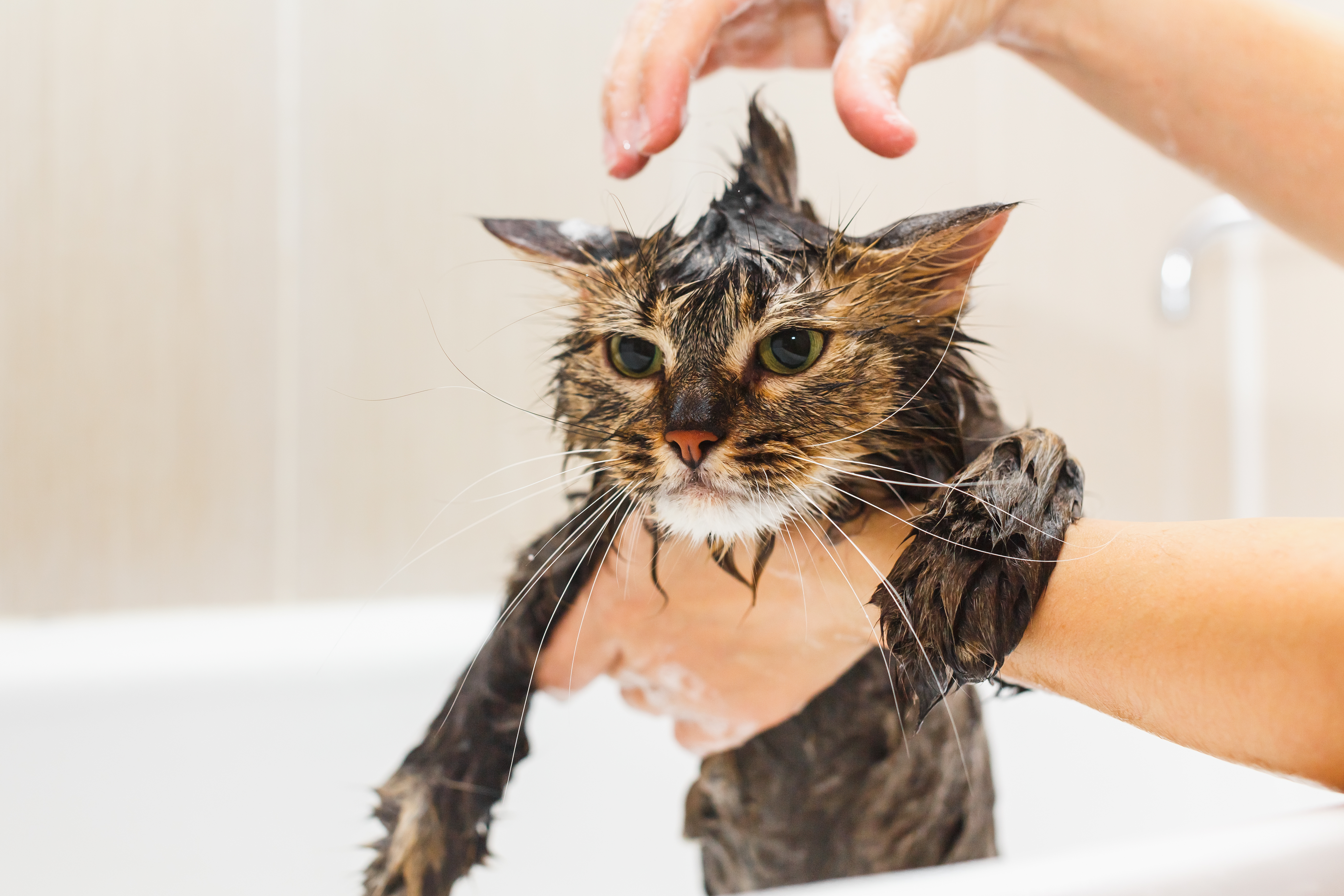
Discovering fleas on your feline friend can quickly turn a peaceful afternoon into a stressful ordeal. You want to relieve your cat of these pesky parasites immediately, but the thought of getting your cat into a tub of water probably feels daunting. Cats are notoriously averse to water, making bath time a tricky endeavor for even the most experienced pet owners.
We are here to help you navigate this process smoothly. Giving your cat a flea bath does not have to be a traumatic experience for either of you. With the right preparation, a calm approach, and the proper supplies, you can eliminate those fleas safely and effectively. This guide will walk you through exactly how to prepare, execute the bath, and handle post-bath care to keep your cat happy and healthy.
Understanding the Importance of Cat-Safe Products
Before you even turn on the faucet, you must secure the right products. Cats have unique physiological systems that process chemicals very differently than dogs or humans. This makes product selection the single most critical step in the entire flea bath process.
Never use a flea shampoo designed for dogs on your cat. Many dog flea treatments contain permethrin, a chemical that is highly toxic and potentially fatal to cats. Always read the label carefully and choose a flea shampoo explicitly formulated for felines. If you feel unsure about which product to select, consult your veterinarian for a safe recommendation tailored to your cat's age, weight, and health status.
You can also opt for a gentle, unscented dish soap if you need an immediate, mild solution. While dish soap will drown existing adult fleas, it lacks the residual ingredients needed to kill eggs or prevent future infestations. A specialized, cat-safe flea shampoo remains the most effective choice.
Gathering Your Flea Bath Supplies
Preparation is the secret to a successful cat bath. Once you bring your cat into the bathroom, you will not have the freedom to walk away to grab forgotten items. Assemble all your supplies beforehand to ensure a smooth, swift process.
Here is what you need to have within arm's reach:
A high-quality, cat-safe flea shampoo
Several large, highly absorbent towels
A plastic pitcher or large cup for rinsing
A fine-toothed flea comb
Cotton balls to protect your cat's ears
A non-slip mat or a folded towel for the bottom of the tub or sink
A gentle cat brush for pre-bath detangling
Place all these items next to the sink or bathtub. Having everything ready allows you to maintain focus on comforting your cat throughout the bath.
Step-by-Step Guide to a Stress-Free Flea Bath
With your supplies gathered and your cat-safe shampoo ready, you can begin the bathing process. Move through these steps steadily, speaking in a soft, reassuring voice to keep your cat as calm as possible.
Step 1: Prep the Environment
Choose a small, enclosed space for the bath. A bathroom with a door that closes securely works best, preventing any mid-bath escapes. Place your non-slip mat or a towel at the bottom of the sink or tub. Cats panic when they cannot find solid footing, so giving them a grippy surface drastically reduces their anxiety.
Fill the basin with about three to four inches of lukewarm water before bringing your cat into the room. The sound of running water often triggers fear in cats. Having the water ready beforehand keeps the environment quiet and peaceful. Test the water temperature on your wrist; it should feel comfortably warm, exactly as you would prepare a bath for a human baby.
Step 2: Brush Before Bathing
Take a few minutes to brush your cat thoroughly while they are still dry. Water turns mats and tangles into solid knots that pull tightly against the skin, causing severe discomfort. Brushing removes loose fur and prevents these painful mats from forming. This is also a great time to gently place a small cotton ball just inside each of your cat's ears to prevent water from entering the ear canal.
Step 3: Wet Your Cat Gently
Bring your cat into the bathroom and close the door. Hold your cat gently but firmly by the scruff or place a supportive hand under their chest. Lower them slowly into the lukewarm water.
Use your plastic pitcher to scoop water and pour it gently over your cat's body, starting from the neck and working your way down to the tail. Keep water away from their face, eyes, and ears entirely. Speak in a soothing, upbeat tone to reassure them that they are safe.
Step 4: Apply the Cat-Safe Flea Shampoo
Once your cat's coat is fully saturated, apply a small amount of the cat-safe flea shampoo to their neck. Creating a ring of lather around the neck first prevents fleas from migrating up to the dry areas of the head and face to escape the water.
Massage the shampoo deeply into the coat, working your way down the back, sides, belly, and legs. Pay special attention to the areas where fleas love to hide, such as the base of the tail, under the armpits, and along the groin. Follow the instructions on the shampoo bottle carefully. Most flea shampoos require you to leave the lather on the coat for five to ten minutes to effectively neutralize the fleas. Keep your cat calm during this waiting period by gently massaging their shoulders and offering soft words of encouragement.
Step 5: Rinse Thoroughly
Rinsing is arguably the most critical part of the washing process. Any shampoo residue left behind can cause severe skin irritation or digestive upset if your cat ingests it while grooming later.
Use your pitcher to pour clean, lukewarm water over your cat, washing all the suds down the drain. Continue rinsing until the water runs completely clear and the coat no longer feels slick or soapy. Take your time with this step to ensure absolute cleanliness.
Post-Bath Care and Drying
Lift your cat out of the water and immediately wrap them in a large, dry towel. Cats lose body heat quickly when wet, so you want to start the drying process right away.
Rub their fur gently with the towel to absorb as much moisture as possible. If the first towel becomes soaked, swap it out for a fresh, dry one. Most cats find the loud noise of a hair dryer terrifying, so towel drying in a warm room is usually the safest and least stressful method.
Once your cat is mostly dry, use the fine-toothed flea comb to gently brush through their fur. The comb will help extract any dead fleas that remain trapped in the coat. Reward your cat with their favorite high-value treats to help them build a positive association with bath time.
Keep your cat in a warm, draft-free room until their coat dries entirely. You must also treat your home environment to prevent reinfestation. Wash all pet bedding in hot water, vacuum your carpets thoroughly, and consider applying a veterinary-approved topical flea preventative once your cat's coat is completely dry.
When to Call the Professionals
Sometimes, despite your best efforts, giving your cat a bath at home proves too stressful for both of you. Some cats become overly anxious, aggressive, or fearful during the process. There is absolutely no shame in recognizing when a task requires a professional touch.
If you prefer to leave this delicate process to the experts, select Woofie's locations offer professional cat bathing and grooming services. Our experienced groomers know exactly how to handle felines gently, minimizing stress while ensuring a safe, thorough, and effective flea treatment. We provide a calm environment and use high-quality, cat-safe products to get your companion looking and feeling their best.
Keep Your Cat Happy and Healthy
Dealing with fleas requires patience, care, and the right approach. By following these steps and prioritizing your cat's comfort, you can safely eliminate parasites and restore peace to your home. Always remember to use feline-specific products, prepare your space thoughtfully, and handle your pet with kindness. Whether you tackle the bath at home or enlist the help of a professional grooming service, your cat will thank you for providing relief from those irritating pests.