

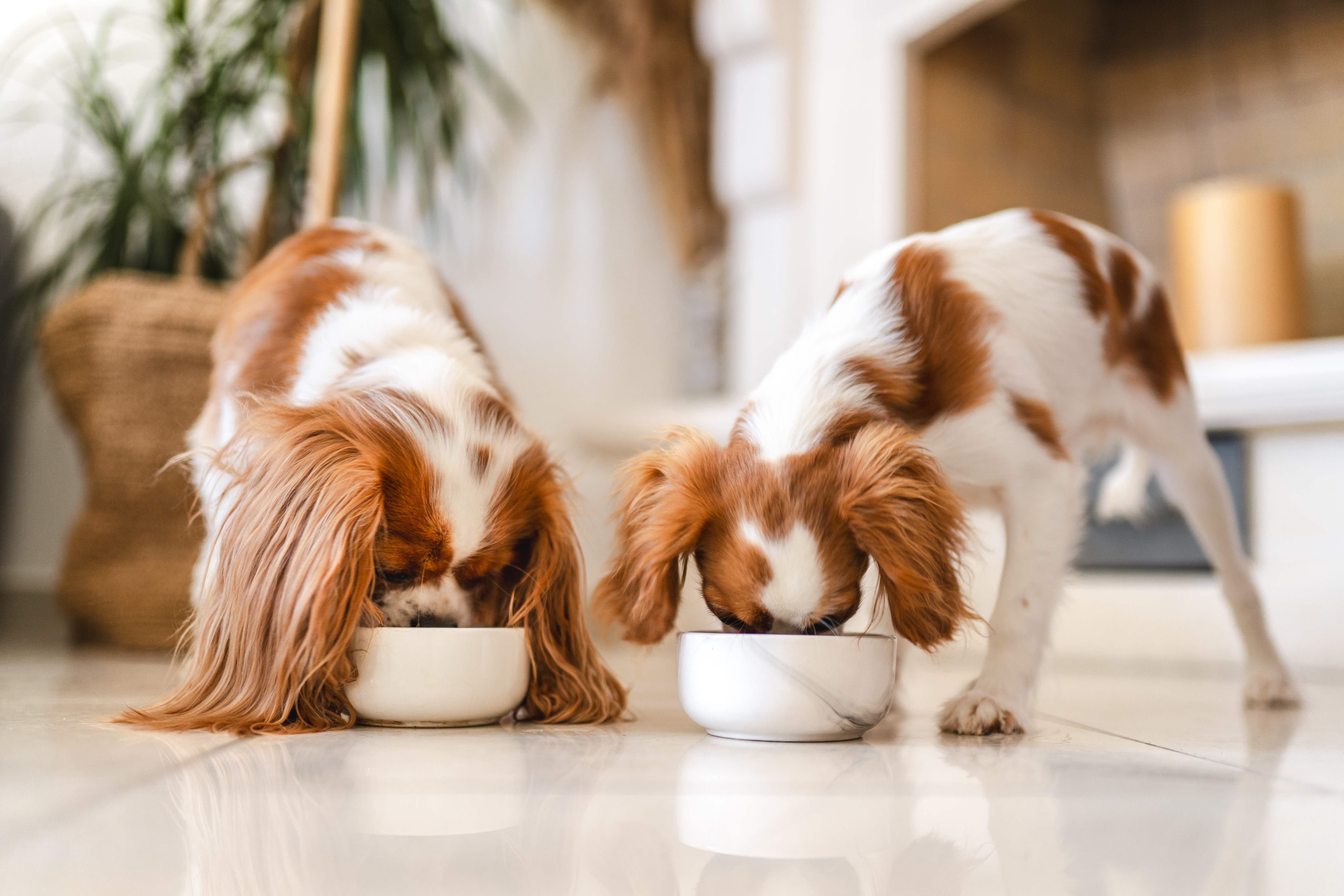
What Food is Good For Dogs’ Skin and Coat?
You pet your dog and notice their fur feels a little coarse. Maybe you spot some dry flakes on their back, or they scratch more often than usual. Your dog's skin and coat act as a mirror, reflecting their overall internal health. When that mirror looks dull, the easiest and most effective place to look for a solution is their food bowl.
Nutrition plays a massive role in maintaining your pet's dermal health. The right ingredients can transform a dull, dry coat into a soft, shiny masterpiece. Conversely, a diet lacking essential nutrients can lead to itchiness, shedding, and discomfort.
In this guide, we will explore exactly what food is good for dogs' skin and coat. You will learn about the crucial nutrients your dog needs, specific whole foods that provide them, and practical tips for upgrading their meals safely.
Why Diet Matters for Your Dog's Skin and Coat
Your dog's skin is their largest organ. It protects them from environmental stressors, regulates their body temperature, and houses their hair follicles. Maintaining this massive organ requires a lot of energy and nutrients. In fact, a significant portion of the protein your dog eats goes directly toward maintaining their skin and growing their fur.
When a diet falls short of essential vitamins, minerals, and fatty acids, the body prioritizes vital organs like the heart and brain. The skin and coat get the leftovers. This nutritional triage quickly results in a lackluster appearance. Dry, itchy skin and brittle hair are common red flags indicating that your dog's diet needs an upgrade.
Providing a diet rich in targeted nutrients supports the skin's natural barrier. This barrier traps moisture inside and keeps allergens and bacteria out. A healthy diet also reduces inflammation, which helps calm allergic reactions and hot spots. Ultimately, feeding your dog the right foods ensures they feel as good as they look.
Key Nutrients for a Healthy Canine Coat
Before you start adding random ingredients to your dog's bowl, you need to understand the building blocks of canine skin health. Three specific nutrients stand out when it comes to nourishing your pet from the inside out.
Omega-3 Fatty Acids
Omega-3 fatty acids act as the ultimate hydration station for your dog's skin. These essential fats reduce inflammation throughout the body, making them incredibly helpful for dogs suffering from allergies or itchy skin. They also help produce the natural oils that keep your dog's coat shiny and soft. Because dogs cannot produce omega-3s on their own, they must get them through their diet.
Vitamin E
Vitamin E is a powerful antioxidant. It protects your dog's skin cells from oxidative damage caused by free radicals in the environment. This vitamin also defends the skin against UV rays and supports a healthy immune system. Furthermore, vitamin E helps the body utilize fats effectively, working hand-in-hand with omega-3s to promote skin hydration.
Zinc
Zinc is a trace mineral that plays a critical role in cellular replication and healing. Because skin cells turn over rapidly, your dog needs a steady supply of zinc to replace old, dead cells with new, healthy ones. A zinc deficiency often shows up as hair loss, cracked paw pads, and crusty lesions around the mouth and eyes. Keeping zinc levels optimal ensures the skin barrier remains strong and intact.
Top Foods for Your Dog's Skin and Coat
Now that you know which nutrients matter most, let's look at the actual foods that contain them. Adding these whole foods to your dog's routine can provide a massive boost to their skin and coat health.
Salmon and Fish Oils
Salmon is a nutritional powerhouse for dogs. It offers a highly digestible source of protein and is packed with omega-3 fatty acids, specifically EPA and DHA. These specific fats are readily absorbed by your dog's body, providing immediate relief for dry, flaky skin. If you cannot feed fresh salmon, high-quality salmon oil or sardine oil makes an excellent daily supplement.
Sweet Potatoes
Sweet potatoes are delicious, gentle on the stomach, and loaded with skin-loving nutrients. They contain high levels of beta-carotene, which your dog's body converts into vitamin A. Vitamin A is essential for proper skin cell growth and repair. Sweet potatoes also provide a healthy dose of vitamin C and vitamin E, working together to reduce inflammation and protect the skin barrier. Serve them cooked and mashed without any added butter or spices.
Eggs
Eggs are one of the most complete sources of protein available. They contain every essential amino acid your dog needs to build strong hair shafts and healthy skin tissue. Beyond protein, eggs are rich in biotin, a B-complex vitamin known for supporting skin function and coat quality. They also provide lutein and zinc. You can serve them scrambled, hard-boiled, or lightly cooked, making them a cheap and easy addition to your pet's diet.
Chia Seeds and Flaxseed
For a plant-based boost, chia seeds and flaxseed are fantastic options. Both are rich in alpha-linolenic acid (ALA), a type of omega-3 fatty acid. They also provide a great source of dietary fiber, which supports gut health. Since a healthy gut microbiome directly influences skin health, these seeds offer a dual benefit. Always grind flaxseed before feeding it to your dog to ensure they can actually absorb the nutrients inside.
How to Add These Foods to Your Dog's Diet
Transitioning these superfoods into your dog's routine does not require a complete overhaul of their current diet. You can easily use them as nutritional toppers.
Start small. If you want to introduce eggs, offer just a quarter of a cooked egg mixed into their regular food. Monitor their digestion for a few days before increasing the amount. For oils, begin with half the recommended dose on the bottle to prevent loose stools.
You can also use these foods to create healthy, high-value treats. Bake sweet potato slices in the oven for a chewy, nutrient-dense snack. Mix plain, cooked salmon with a little bit of oatmeal and bake it into training treats. By substituting commercial treats with these whole-food options, you increase their nutrient intake without adding unnecessary empty calories.
Always remember that these additions should not make up more than ten percent of your dog's total daily caloric intake. Their primary dog food should still provide the bulk of their balanced nutrition.
Precautions Before Changing Your Dog's Diet
While fresh foods offer amazing benefits, you must proceed with caution whenever altering your dog's diet. Sudden changes can upset their gastrointestinal tract, leading to vomiting or diarrhea.
Always consult your veterinarian before introducing new foods, especially if your dog has an underlying health condition. Dogs with a history of pancreatitis, for example, may not tolerate the high fat content in salmon oil. Dogs with specific protein allergies might react poorly to eggs or certain fish.
Pay close attention to preparation. Never feed your dog raw salmon, as it can contain a parasite that is fatal to canines. Always ensure fish is thoroughly cooked and de-boned. Avoid adding any salt, garlic, or onions to your dog's food, as these common kitchen ingredients are toxic to them.
Final Thoughts on Feeding for a Healthy Coat
Improving your dog's skin and coat health is an incredibly rewarding process. By understanding what food is good for dogs' skin and coat, you take an active role in their daily wellness.
Focus on high-quality proteins, essential omega-3 fatty acids, and skin-supporting vitamins like E and zinc. Start incorporating salmon, sweet potatoes, and eggs slowly, monitoring your dog's response. With a little patience and consistency, you will soon notice less scratching, fewer flakes, and a coat so soft you will not want to stop petting them.
Fresh dog food providers like our partner, The Farmer’s Dog, make it easy to feed your dog nutritious ingredients as part of their regular routine. Click here to try your first box 80% off.