

How DINKWAD Lifestyles Are Fueling the Demand for Reliable Pet Care Services
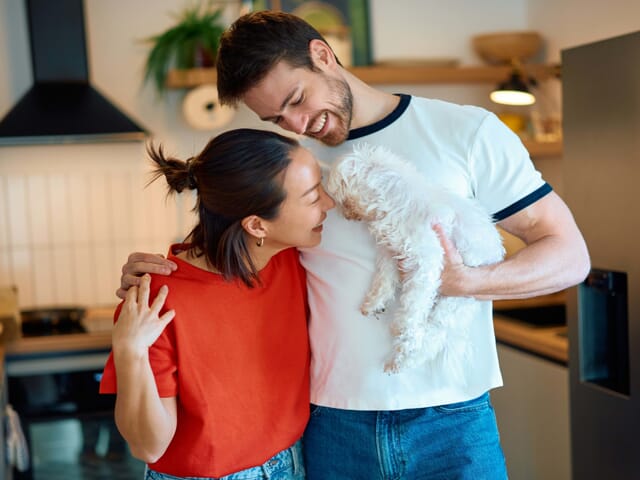
If you've spent any time in pet industry circles lately, you've probably heard the term DINKWAD: Double Income, No Kids, With A Dog. It describes couples with two paychecks, full calendars, and a dog at the center of their home.
This growing group is quietly reshaping the pet economy. For pet care businesses, understanding the DINKWAD lifestyle is one of the smartest ways to attract loyal, long-term clients. For pet parents, it explains why finding reliable pet care services has become such a priority.
What Is a DINKWAD Household?
DINKWAD is an evolution of the older "DINK" (Double Income, No Kids) label. The "WAD" adds what many couples would say is the most important part: the dog.
These households typically share a few traits:
- Two working adults, often with demanding or hybrid schedules
- Higher discretionary income than households supporting children
- A strong emotional bond with a pet who is treated as a full family member
- Frequent travel, from weekend getaways to international trips
- A preference for convenience and quality over the lowest price
For DINKWADs, the dog isn't a hobby. It's the "kid" in the family, and spending decisions reflect that.
Why the DINKWAD Lifestyle Increases the Need for Pet Care
Busy schedules leave gaps in the day
When both partners work full-time, a dog can be left alone for long stretches. Even with remote or hybrid work, meetings, commutes, and errands make it hard to provide the midday exercise dogs need. Dog walking services and drop-in visits fill that gap and help prevent boredom, anxiety, and destructive behavior.
Travel is part of the routine
Without school schedules to plan around, DINKWAD couples travel more often and more spontaneously. Every trip raises the same question: who will take care of the dog? That drives demand for in-home pet sitting, which keeps the dog in a familiar environment, and for boarding facilities with supervised play and flexible, last-minute booking.
Disposable income supports premium care
With two incomes and no childcare costs, DINKWADs can invest more in their pets. They tend to choose private walks over group walks, specialty grooming, or boarding with live camera access, and they're willing to pay more for peace of mind.
Trust outweighs price
Because the dog holds such an important place in the household, these pet parents are selective. They want caregivers who are vetted, communicative, and genuinely good with animals.
What DINKWAD Pet Parents Look for in a Provider
Reliability. Showing up on time, every time, is non-negotiable. A single missed walk can damage trust quickly.
Transparent communication. Photo updates, visit summaries, and quick responses are major selling points. Knowing the dog is happy while they're at work or on vacation matters.
Professionalism and safety. Background-checked staff, proper insurance, pet first-aid training, and clear emergency protocols set providers apart.
Personalized care. Whether it's medication, a special diet, or reactivity around other dogs, tailored care makes a difference.
Easy booking. Online scheduling, recurring appointments, and simple payments suit busy professionals.
How Pet Care Businesses Can Serve This Market
If you run a dog walking, pet sitting, grooming, or boarding business, these steps will help you connect with DINKWAD clients:
- Offer flexible packages. Recurring weekday walks, vacation bundles, and priority booking for regulars appeal to this group.
- Make communication standard. Include photo updates and clear visit notes with every service.
- Showcase trust signals. Feature reviews, credentials, insurance, and staff bios on your website.
- Optimize for local search. DINKWADs often search for phrases like "reliable dog walker near me." A strong Google Business Profile and location-based content can put you in front of them.
- Add premium upgrades. Enrichment activities, extra playtime, or grooming add-ons give clients more ways to spoil their pets.
The Bottom Line
The DINKWAD lifestyle reflects a broader cultural shift toward pets as the center of the family. For providers, that means a growing base of loyal clients who value quality and consistency. For pet parents, it means more options than ever to keep their dogs happy and healthy, even on the busiest days.