

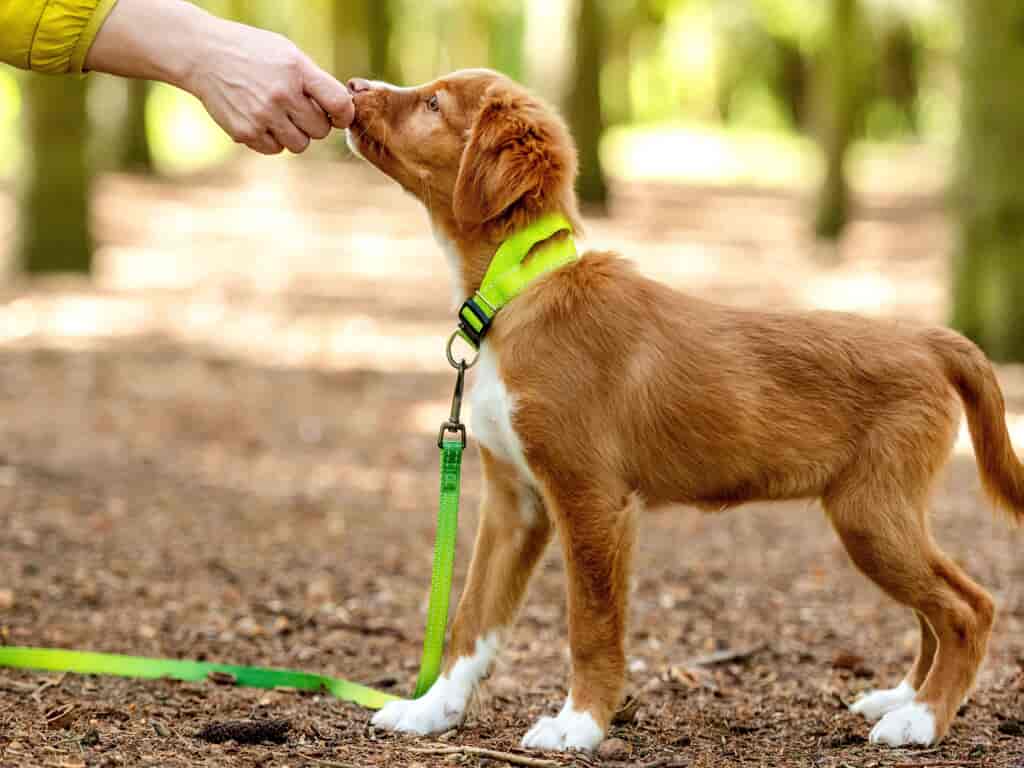
Few things test a new dog owner's patience like finding a puddle on the rug. The good news is that learning how to potty train a dog doesn't require magic, just consistency, timing, and a lot of praise. Whether you've brought home an eight-week-old puppy or adopted an adult dog with unknown habits, the same core principles apply.
This guide walks through the methods that work, how to adjust them for puppies and adult dogs, and how to fix the most common setbacks.
How Long Does Potty Training Take?
There's no single timeline, but most owners see real progress within a few weeks. Many puppies are reliably house trained in four to six months, though some take up to a year. Adult dogs often catch on faster because they have better bladder control, but a dog with a history of accidents may need extra patience to unlearn old habits.
What speeds things up most is not a special trick. It's a consistent routine that everyone in the household follows.
The Foundations of Fast Potty Training
Set a predictable schedule
Dogs thrive on routine. Take your dog out at the same times every day, and always after these key moments:
- First thing in the morning and last thing at night
- After waking from a nap
- After eating or drinking
- After play sessions
- Before being crated or left alone
Puppies need frequent trips, so a common rule of thumb is one hour per month of age, plus one, up to a reasonable maximum. A three-month-old puppy may need a break every three to four hours during the day, and more often when active.
Choose one potty spot
Take your dog to the same area every time and use a consistent cue such as "go potty." The familiar smell and phrase help your dog connect the location with the action. Stay calm and quiet while they sniff and circle so they stay focused.
Reward immediately
Timing is everything. Praise and offer a treat the moment your dog finishes going outside, not when you're back in the house. Dogs link rewards to what just happened, so a delay muddies the message. Keep a supply of small, high-value treats by the door.
Supervise closely indoors
Prevention is the fastest path to success. Keep your dog in sight, use baby gates, or keep them tethered to you so you can catch early signs like sniffing, circling, whining, or heading to the door. When you see them, calmly guide them outside.
Using Crate Training to Speed Things Up
Dogs naturally avoid soiling the place where they sleep, which makes crate training a powerful potty training tool. Choose a crate just big enough for your dog to stand, turn around, and lie down. A crate that's too large gives them room to use one corner as a bathroom.
Some tips for success:
- Introduce the crate gradually with treats and toys so it feels safe
- Take your dog straight outside when you let them out
- Never use the crate as punishment
- Don't leave puppies crated longer than they can physically hold it
If your dog has an accident in the crate, they may have been left too long or the crate may be too big.
Potty Training a Puppy vs. an Adult Dog
Puppies
Puppies have small bladders and limited control, so expect frequent trips, including overnight in the early weeks. Set an alarm for a middle-of-the-night break, and gradually extend the time as they grow. Keep sessions short, celebrate every success, and expect accidents as part of the learning curve.
Adult dogs
Adult dogs can hold it longer and often learn quickly, but the approach is the same: a schedule, a designated spot, rewards, and supervision. If you've adopted a dog, treat them like a puppy for the first few weeks regardless of age. They're adjusting to a new home and don't yet know the rules. If an older dog suddenly starts having accidents, a medical issue such as a urinary tract infection may be the cause, so check with your vet.
What to Do When Accidents Happen
Accidents are part of the process. How you respond determines whether training moves forward or stalls.
- Don't punish. Scolding or rubbing your dog's nose in a mess teaches them to fear you, not to go outside. Some dogs learn to hide when they need to go.
- Interrupt calmly. If you catch your dog mid-accident, make a soft noise and guide them outside to finish, then reward.
- Clean thoroughly. Use an enzymatic cleaner to remove odors. Regular cleaners leave traces your dog can smell, which encourages repeat accidents in the same spot.
- Review your routine. Repeated accidents usually mean trips are too far apart or supervision has slipped.
Common Potty Training Problems and Fixes
Your dog goes right after coming back inside. They may have been distracted outside. Stay out longer, keep the trip calm and boring, and reward only after they go.
Your dog signals unclearly. Some dogs never give obvious signs. Teach a signal by hanging a bell on the door and tapping it with their nose or paw each time you go out.
Your dog is fine at home but has accidents elsewhere. Dogs don't generalize well. Practice in new places and reward success to help the habit carry over.
Your dog is small or has a small bladder. Small breeds may need more frequent trips and extra patience, especially in bad weather. Make the potty spot easy to reach and comfortable.
When to Get Extra Help
If weeks of consistent effort aren't producing progress, consult your veterinarian to rule out health issues. A certified trainer can also help, and a professional dog walker or pet sitter can keep your routine on track when your schedule gets busy. Consistency is what matters most, even when you're not home.
The Bottom Line
Learning how to potty train a dog quickly comes down to a handful of habits: a steady schedule, one designated spot, instant rewards, and close supervision. Add crate training, stay patient through the accidents, and your dog will get there. Whether you're working with a puppy or an adult dog, the routine you build now sets you up for a clean home and a confident, happy companion.